BRAKE WORK IN JURUPA VALLEY, CA
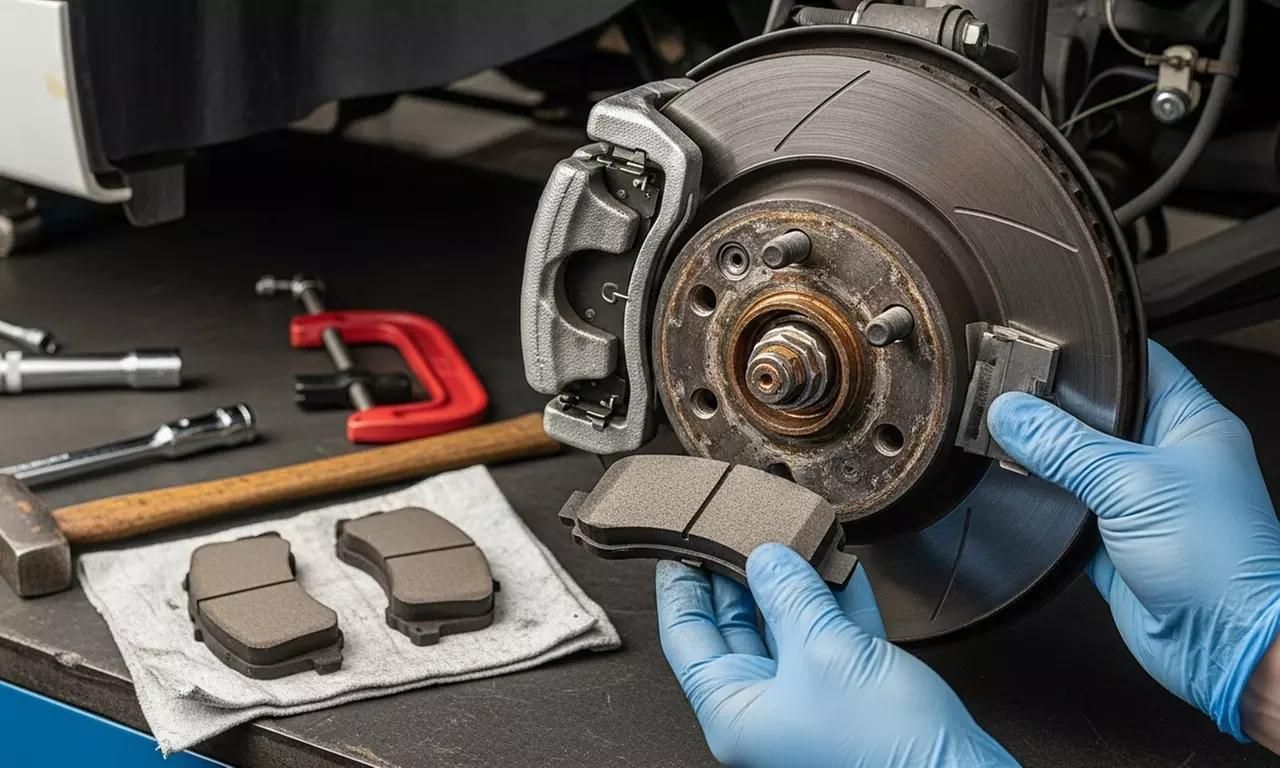
MEASUREMENTS FIRST, RECOMMENDATIONS SECOND.
- Pad thickness measured, not guessed
- Photos of every failing component
- Urgent versus can-wait priority list
- Written estimate before work starts
SHORTER STOPS, CALMER COMMUTES, FEWER SURPRISES.
MISSION BOULEVARD LIGHTS AND HIGHWAY 60 BACKUPS EAT PADS.
30+ YEARS OF STOPPING CARS ON MISSION BOULEVARD.
FROM THE FIRST SQUEAL TO THE ROAD TEST, HERE IS HOW.
WE LISTEN TO THE NOISE
WE PULL EVERY WHEEL
WE MEASURE AND PHOTOGRAPH
WE WRITE THE ESTIMATE
WE REPLACE AND BLEED
WE ROAD TEST THE RESULT
our services
OUR BRAKE WORK.
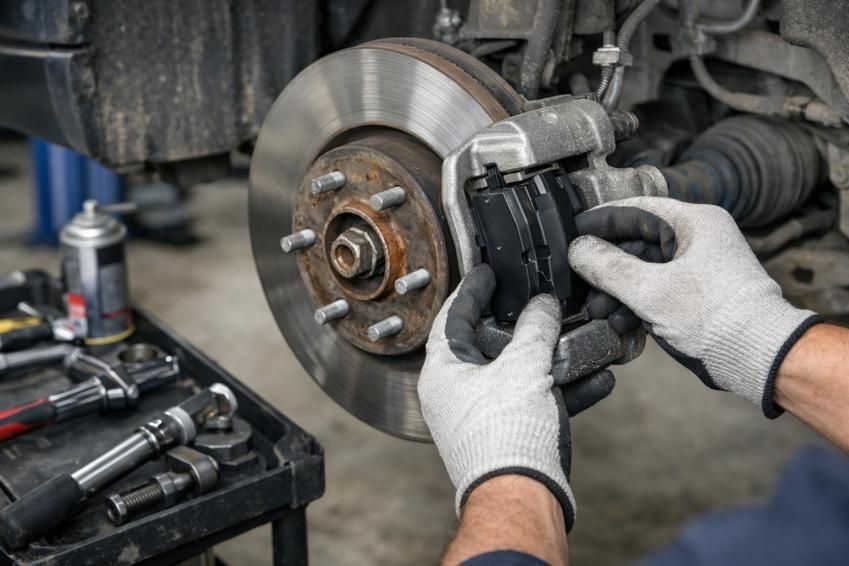
Brake Pad Replacement
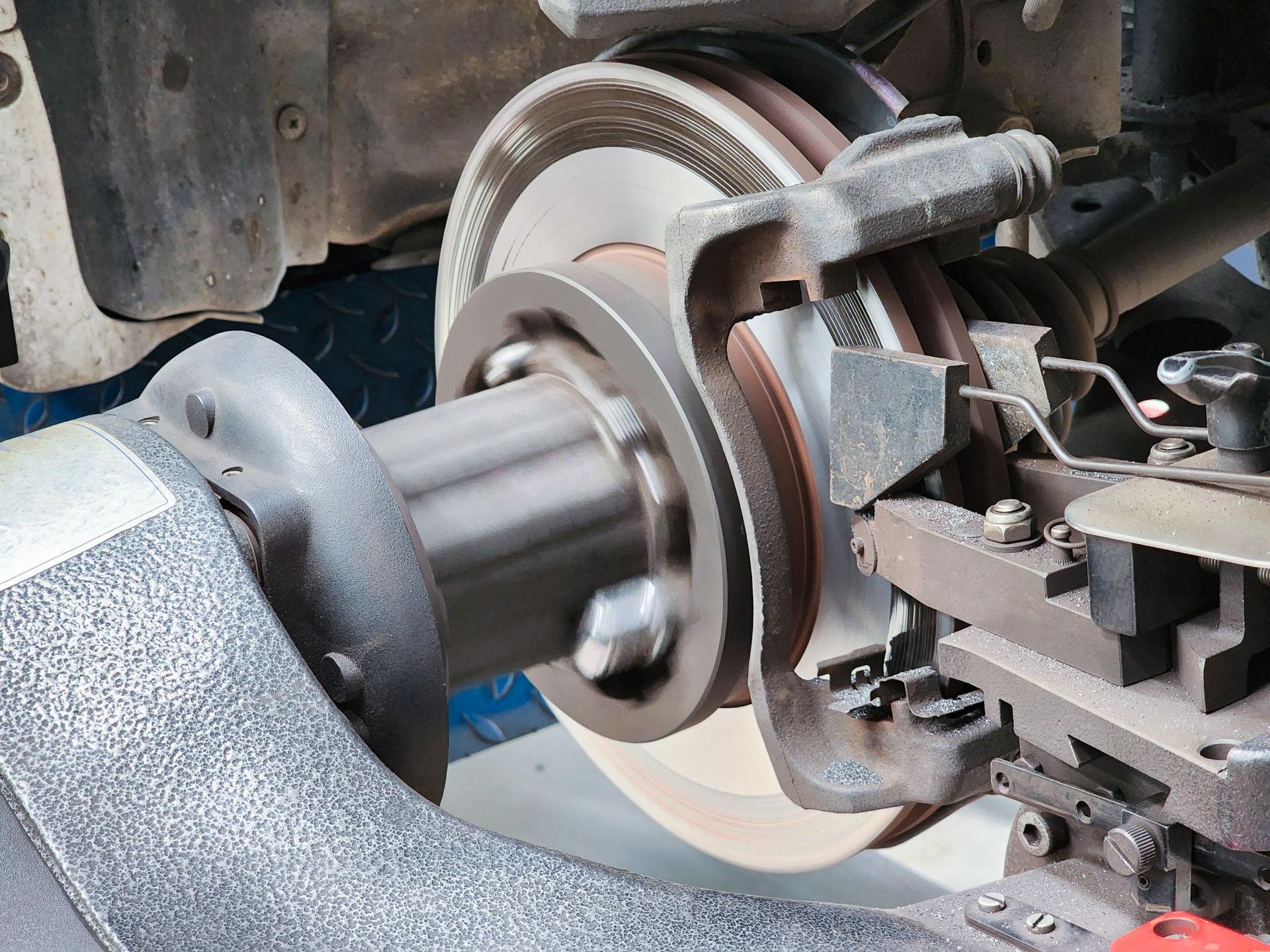
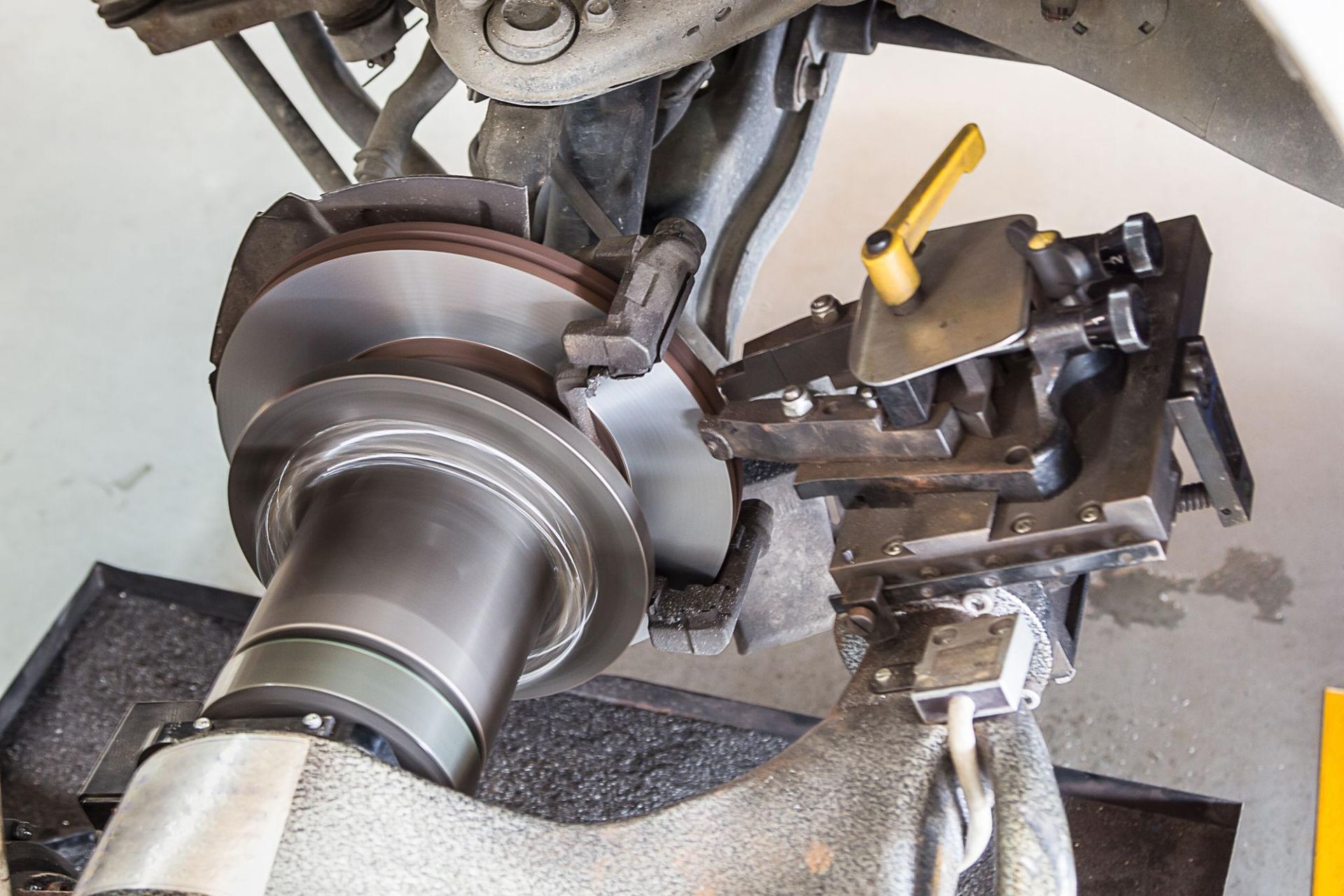
Rotor Resurfacing and Replacement
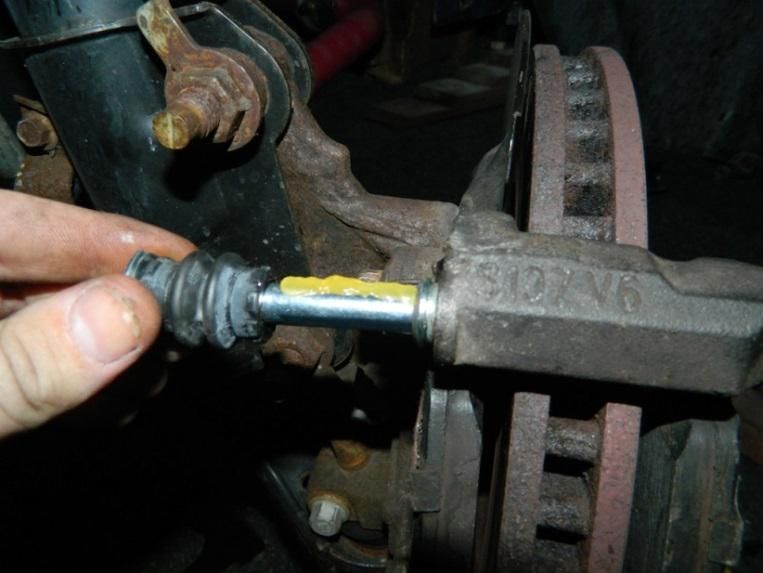
Caliper and Slide Pin Service
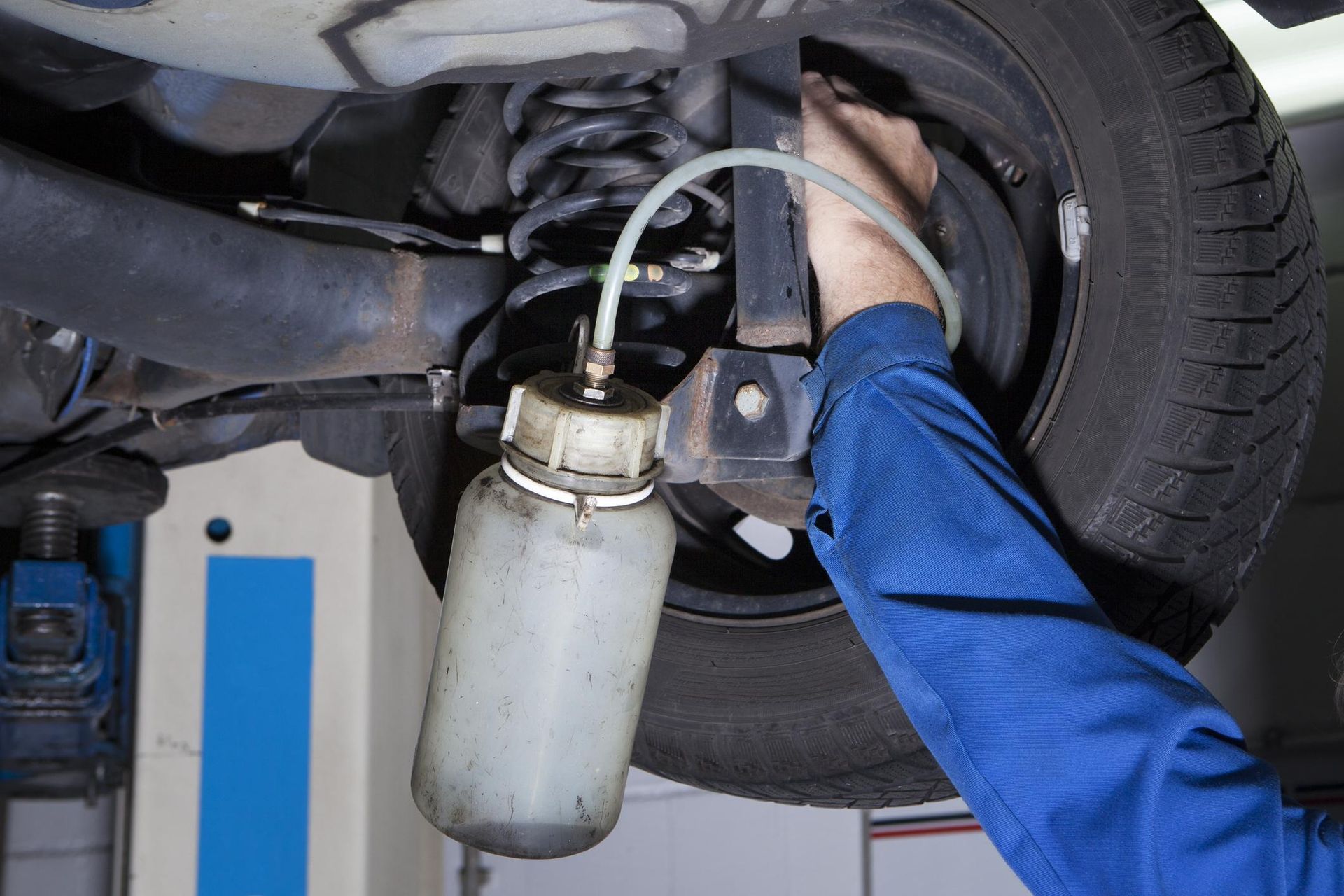
Brake Fluid Flush
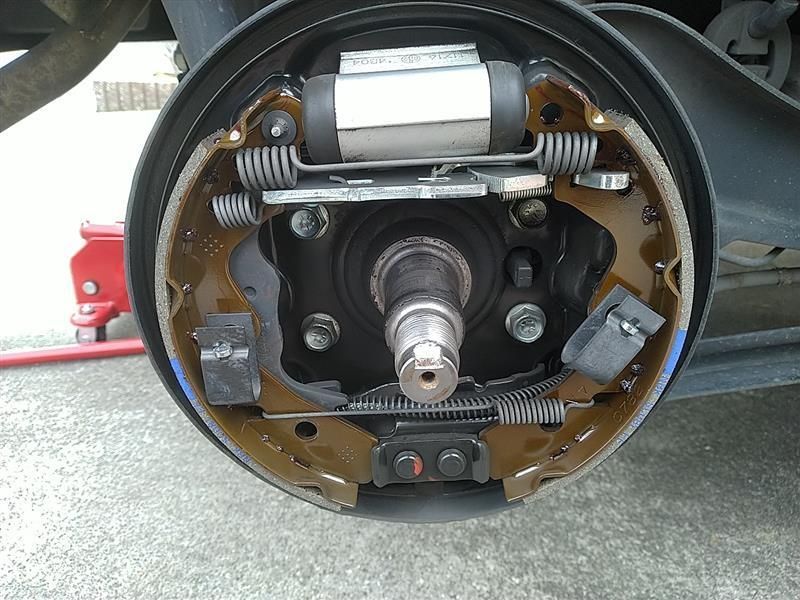
Drum Brake and Shoe Service
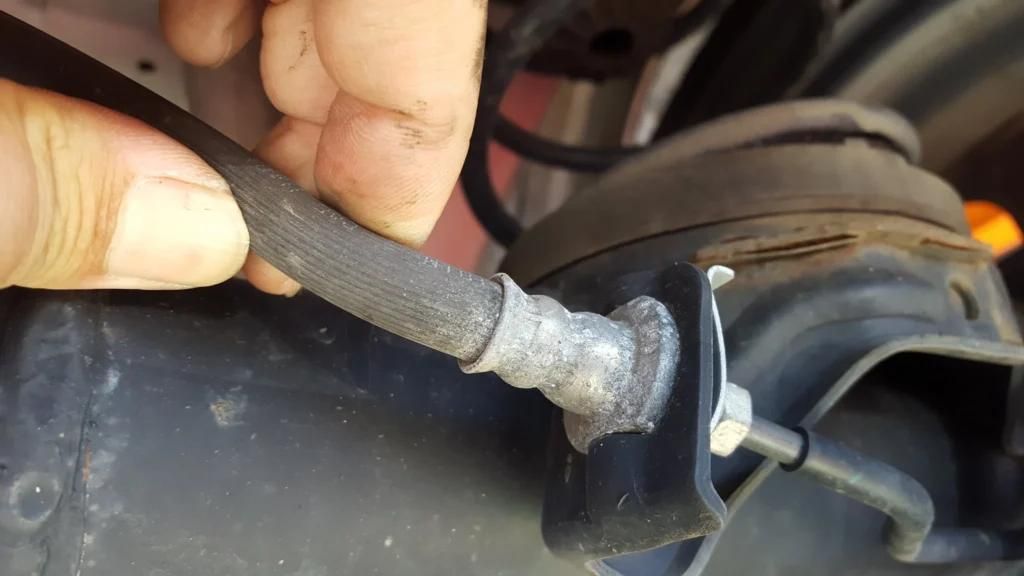
Brake Hose and Line Repair
THE WORD ON OUR WORK
WHAT OUR CLIENTS SAY.
Common Questions
FREQUENTLY ASKED QUESTIONS.
What is the difference between a brake squeal and a grinding noise?
A squeal is usually a warning, while grinding usually means damage is already happening. Many pads carry a small metal tab that squeals when the lining runs low. Grinding often signals a backing plate scraping the rotor.
How many miles do brake pads usually last?
Lifespan varies too widely for one honest mileage number. Driving style, vehicle weight, and pad compound all change it, and heavy stop-and-go use or towing shortens it considerably. Measuring the lining at each oil change tracks wear reliably.
Should rotors be resurfaced or replaced?
That depends on how much metal remains. If a rotor still measures above its minimum thickness after machining and shows no heat cracks, resurfacing works. Below that minimum, or warped beyond correction, replacement is the safer choice.
Why does my brake pedal pulse when I stop?
Pulsing usually points to uneven rotor thickness, often called warped rotors. Pad deposits or heat damage create high spots that push the caliper pistons back with each rotation. Resurfacing or replacing the rotors usually cures it.
What causes a soft or spongy brake pedal?
Air or moisture in the hydraulic system is the most common cause. A leaking hose, a failing master cylinder, or old fluid that boiled under repeated braking can also let the pedal sink. Any of these deserves prompt inspection.
Why does my car pull to one side when I brake?
Unequal braking force between the left and right wheels creates the pull. A sticking caliper, a collapsed brake hose, or contaminated pads on one side are typical culprits, though loose suspension parts can mimic the symptom.
Do the pads installed at Rubidoux Tire and Brake meet the California copper rule?
Yes, every set does. Pads installed at Rubidoux Tire and Brake in Jurupa Valley, CA contain no more than 0.5% copper by weight, the limit in force since 2025. Ask to see the LeafMark rating printed on the box.
Why choose Rubidoux Tire and Brake for brakes in Jurupa Valley, CA?
You get measurements and photos instead of guesses. Rubidoux Tire and Brake pairs ASE-certified technicians with an A+ rating from the Better Business Bureau and 30+ years serving Jurupa Valley, CA, with findings explained in English or Spanish.
WHAT A PROPERLY DONE BRAKE JOB DELIVERS.
STEP 01
Shorter Stopping Distances
STEP 02
A Pedal You Can Trust
STEP 03
Quiet Stops
STEP 04
Protected Rotors and Calipers
STEP 05
Even Tire Wear
STEP 06