Black horizontal line on a white background
Tune-Ups
Copper spark plugs typically last about 30,000 miles, while platinum and iridium plugs often run 60,000 to 100,000+ miles before the electrode erodes enough to weaken the spark. At Rubidoux Tire and Brake, we build tune-ups in Jurupa Valley, CA around that reality: new plugs gapped to spec, coil packs and boots tested for cracks and carbon tracking, air filters inspected, throttle bodies cleaned of carbon, and misfire counts read from the engine computer before and after. ASE-certified technicians handle every step of the job, so a hesitation or uneven idle gets traced to its actual source instead of guessed at.
Construction workers pouring concrete at a building site, with a truck in the background
Wet concrete pouring from a truck chute onto a construction site, forming a gravelly slab surface

THE TUNE-UP THAT EARNS ITS PLACE ON THE INVOICE.

Points, a condenser, and a timing light every few thousand miles once defined a tune-up. Electronic ignition and computer-controlled fuel delivery retired most of that. What remains matters more: plugs that wear slowly, coils that crack under heat, injectors that clog gradually, and sensors that quietly drift until fuel economy slips and the engine stumbles at a stoplight. So we treat a tune-up as targeted maintenance. We replace what the mileage and the evidence say is due, photograph the tired parts for you, and leave alone anything still doing its job.
  • Plugs matched to factory spec
  • Coil and boot testing included
  • Photos of every replaced part
  • Nothing installed without your approval
Black horizontal line on a white background
TUNE-UPS

SMOOTHER STARTS, STEADIER IDLES, FEWER STOPS AT THE PUMP.

The ignition system fires each cylinder at a precise instant, thousands of times a minute. When one plug weakens, the computer adds fuel to compensate, the catalytic converter runs hotter, and you feel a shudder as the light turns green. Catching that early protects more than a set of plugs. It keeps unburned fuel out of the exhaust, spares an expensive converter, and lets the engine return the mileage it was designed to give.

LONG COMMUTES AND HOT ENGINE BAYS WEAR IGNITION PARTS FASTER.

Weekly mileage on Highway 60 and I-15 adds up fast for local commuters, so even a small slide in fuel economy shows up at the pump. Summer piles on. Once August pushes past 94 degrees outside, under-hood temperatures climb far past that, and coils mounted on top of the engine take the brunt. Heat cracks coil insulation and hardens plug boots, which is where many local misfires begin.

MODERN ENGINES CHANGED THE TUNE-UP. WE CHANGED WITH THEM.

Across 30+ years in our bays, we have watched carburetors give way to fuel injection and distributors give way to coil-on-plug ignition. The tools changed, and so did the approach. Today we read live misfire counters, fuel trims, and oxygen sensor data before touching a wrench, because a scan tool often reveals which cylinder is struggling and why. Experience tells us what those numbers mean on your particular engine. Curious what your misfire counters would show?

FROM ROUGH IDLE TO SMOOTH RUNNING, HERE IS HOW.

Black car icon on a lift or jack stand, viewed from the front
WE HEAR HOW IT RUNS
You describe the symptoms: when the stumble happens, whether it is worse cold or hot, and how fuel mileage has changed. We note service records and the last plug change, so the inspection starts with context rather than assumptions.
Black car on a car lift
WE PULL THE ENGINE DATA
Scan data comes first: stored codes, freeze-frame data, misfire counters for each cylinder, and short-term and long-term fuel trims. Those numbers narrow the search to specific cylinders or systems before any part comes off the engine.
Black car icon on a lift, viewed from the front
WE INSPECT THE IGNITION PARTS
Plugs come out and get read for wear, fouling, or oil. Coils, boots, and connectors are checked for cracks and heat damage, and we photograph anything that looks past its prime so you can see exactly what we found.
Black car icon on a lift, shown from the front.
WE LAY OUT YOUR OPTIONS
Before work begins, you receive a written estimate that separates what is urgent from what can wait. California law requires your authorization first, we never exceed the estimate without consent, and you can ask for the replaced parts back.
Black car icon on a display lift stand, like a vehicle service or inspection symbol
WE REPLACE AND CLEAN TO SPEC
Approved parts go in at the manufacturer's specification for heat range, gap, and torque. Throttle bodies and injectors are cleaned where needed, and idle relearn or adaptation resets are completed so the engine control module adjusts correctly.
Black car icon on a lift or jack stand, front view
WE ROAD TEST AND RESCAN
After the work, we drive the vehicle under the same conditions that triggered the complaint, then rescan to confirm misfire counters stay at zero and fuel trims settle. You get the results along with your old parts if requested.
Black horizontal line on a white background

our services

OUR TUNE-UP WORK.

Every engine gets a tune-up shaped by its mileage, its maintenance history, and what the scan data says. These are the tasks we perform most often, chosen one at a time rather than bundled into a fixed package.
Template premium 99
SPARK PLUGS

Spark Plug Replacement


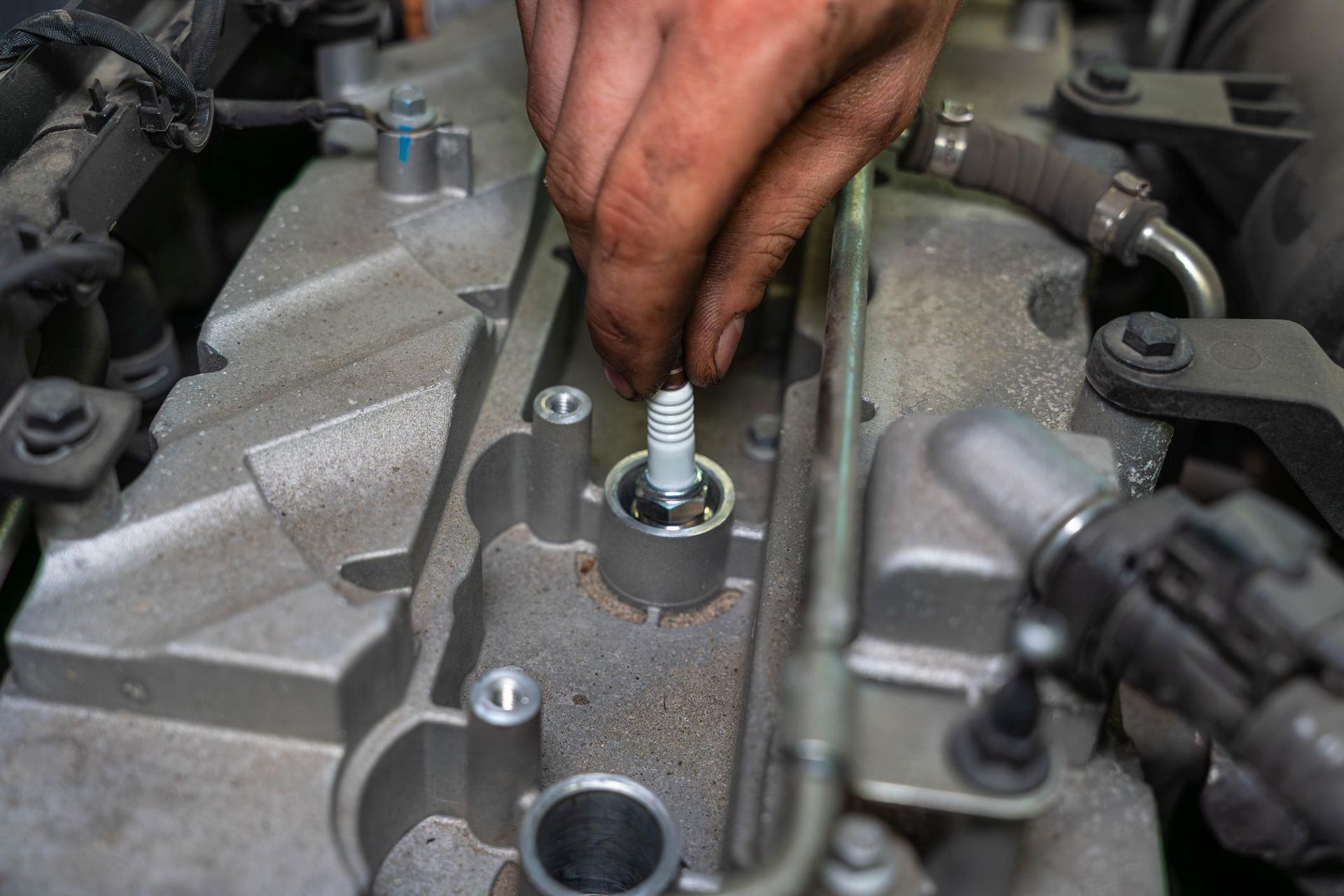
We pull the existing plugs, read their tips for clues about oil burning or rich running, then install the correct heat range and material, gapped to spec and torqued properly, with anti-seize only where the manufacturer allows it.
Template premium 99
IGNITION COILS

Ignition Coil Testing and Replacement

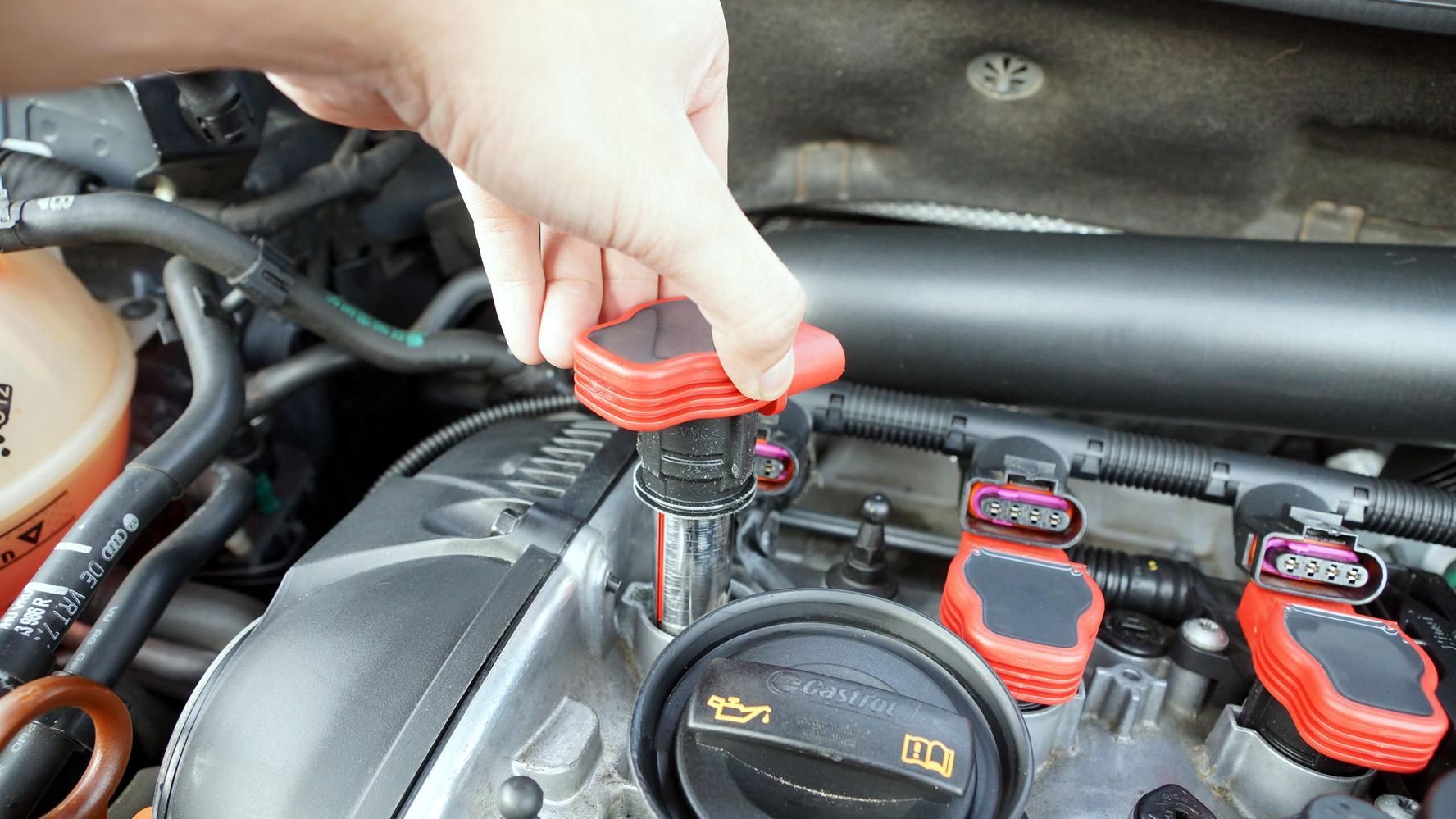
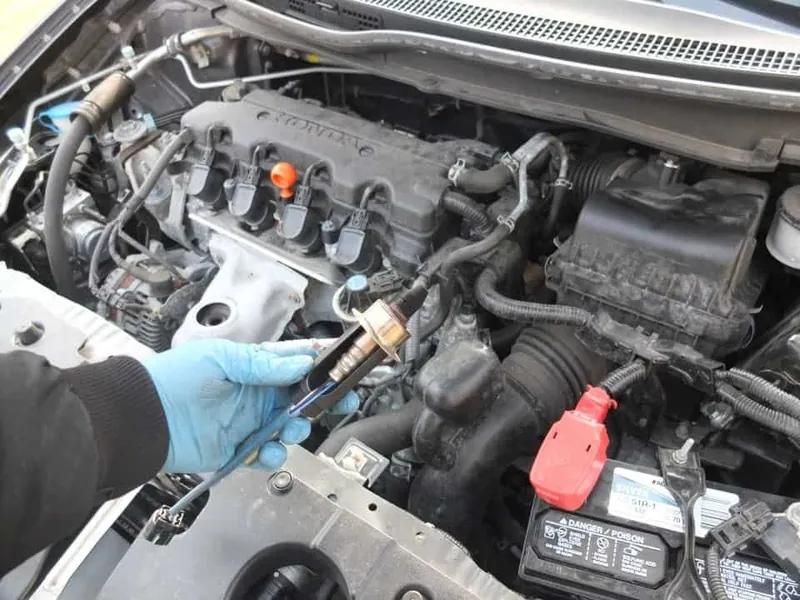
Coil-on-plug engines put a coil above every cylinder. We check primary and secondary resistance, inspect boots for cracks and carbon tracks, and swap coils between cylinders when needed to confirm which one is truly at fault.
Template premium 99
AIR INTAKE

Engine Air Filter Replacement


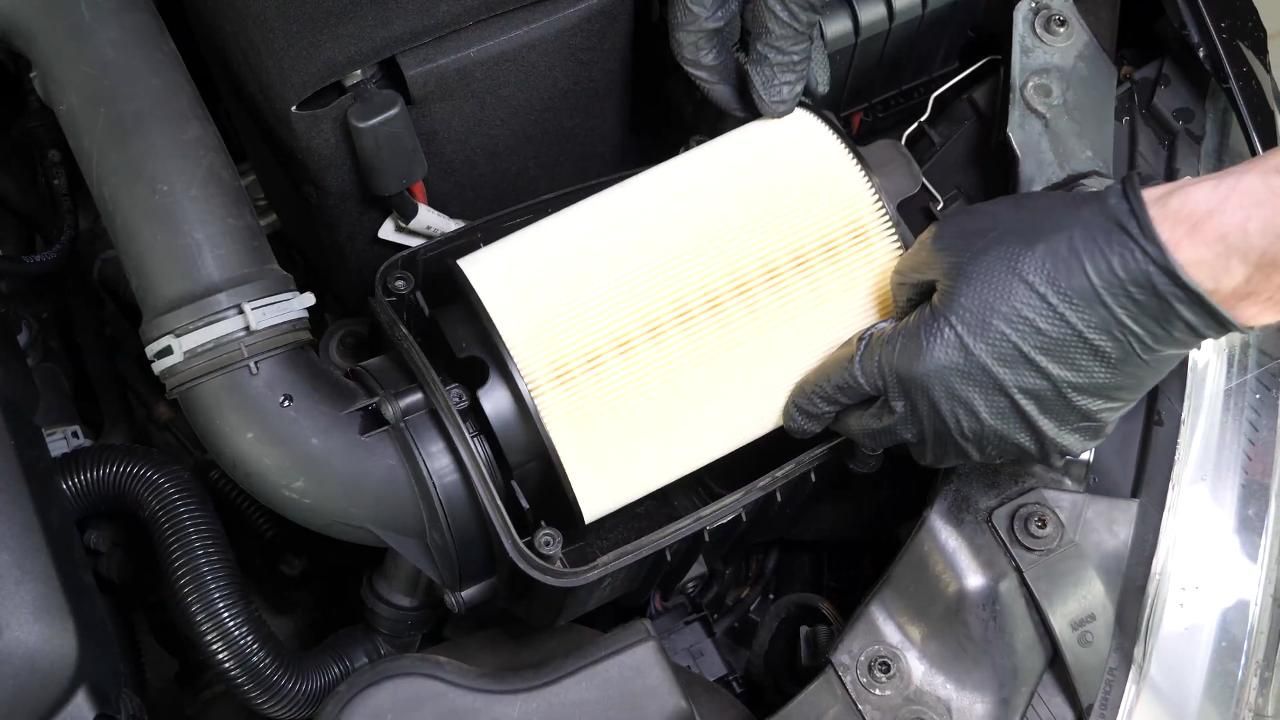
Dust-packed air filters restrict airflow and can upset the air-fuel mixture. We inspect the element, clear debris from the airbox, and fit a new filter when the current one is heavily loaded or blocks light.
Template premium 99
FUEL DELIVERY

Fuel Injector Cleaning


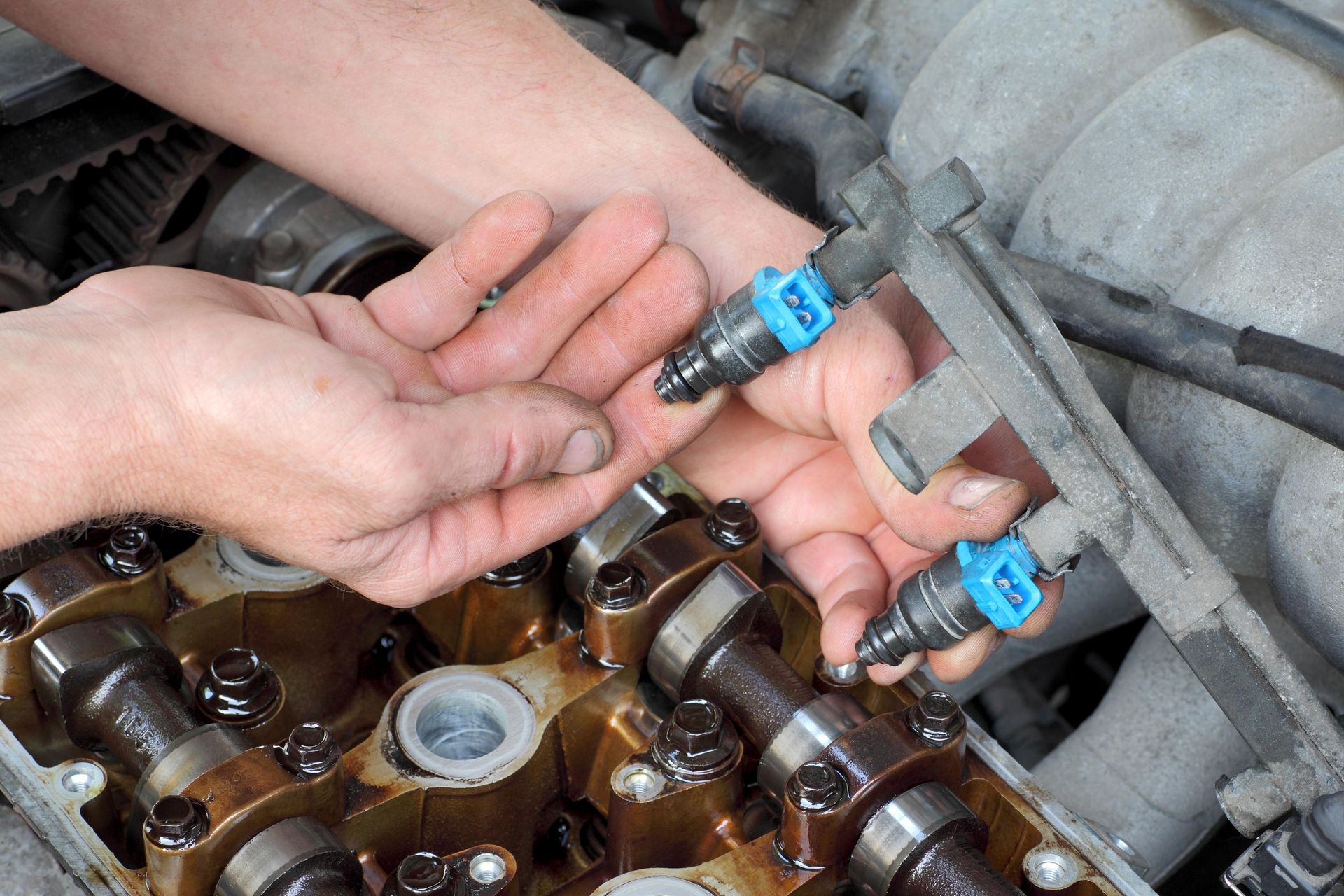
Deposits on injector tips distort the spray pattern and starve cylinders of fuel. We use fuel trim data and balance testing to judge injector health, then clean the injectors when deposits, not a dead injector, are the problem.
Template premium 99
THROTTLE BODY

Throttle Body Cleaning


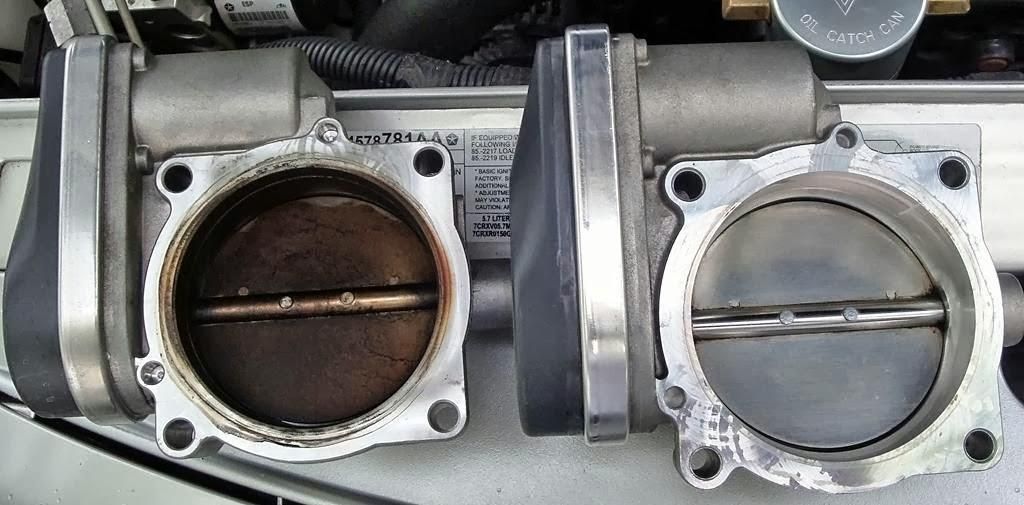
Carbon buildup around the throttle plate disturbs idle airflow, which can cause surging or stalling. We clean the bore and plate with a sensor-safe solvent, then run whatever idle relearn procedure your vehicle requires afterward.
Template premium 99
ENGINE SENSORS

PCV Valve and Oxygen Sensor Checks


Stuck PCV valves and sluggish oxygen sensors can mimic ignition trouble. We graph sensor response on the scan tool, check the PCV system for blockage, and replace parts only when readings fall outside spec.
Black horizontal line on a white background

THE WORD ON OUR WORK

WHAT OUR CLIENTS SAY.

The drive home is what people talk about: a quieter idle, quicker starts, a little more pull on the on-ramp. Many also bring up the photos we showed of their spent plugs and the parts we skipped because those still had life left.
Black horizontal line on a white background.

Common Questions

FREQUENTLY ASKED QUESTIONS.

Engines drop plenty of hints before a misfire turns into a breakdown. Below are direct answers to the tune-up questions drivers bring to our counter, from plug materials and coil failures to injector cleaning.

    How often does a modern engine need a tune-up?

    Most modern engines need plug-based tune-up work somewhere between 30,000 and 100,000+ miles, depending on plug material. Copper lands near 30,000 miles, while platinum and iridium often reach 60,000 to 100,000+. Your owner's manual sets the exact interval.

    What signs mean my engine is due for one?

    Rough idle, hesitation when accelerating, harder starts, a drop in fuel mileage, and a flashing or steady check engine light are the usual signals. Any one of them justifies a scan and an inspection before small problems compound.

    Are iridium plugs worth it over copper?

    For most vehicles, yes, if the manufacturer specifies them. Iridium tips resist wear far longer, often lasting 60,000 to 100,000+ miles versus roughly 30,000 for copper. Some older engines are designed for copper, so we follow the spec.

    What exactly is an engine misfire?

    Misfires happen when the fuel in a cylinder fails to ignite fully or at all. Causes include worn plugs, weak coils, clogged injectors, vacuum leaks, or low compression, so we confirm which one applies before replacing anything.

    Will a tune-up improve my fuel economy?

    It can, when ignition or fuel parts are causing incomplete combustion. If the engine already runs cleanly, gains will be small. We look at fuel trims and misfire data first, which keeps expectations realistic before you approve any work.

    How do I know an ignition coil is failing?

    One-cylinder misfires are the classic sign, felt as a shudder under load or at idle, often with a check engine light. Heat-cracked housings and carbon-tracked boots are visible warning signs during inspection.

    Can Rubidoux Tire and Brake clean fuel injectors instead of replacing them?

    Yes, when testing shows deposits are restricting flow. Our technicians at Rubidoux Tire and Brake clean injectors on many engines in Jurupa Valley, CA that see short trips and stop-and-go driving. An injector that has failed mechanically still needs replacement.

    Why choose Rubidoux Tire and Brake for tune-ups in Jurupa Valley, CA?

    Because we test before we replace. Rubidoux Tire and Brake pairs ASE-certified technicians and 30+ years of engine work with an A+ Better Business Bureau rating, and every customer in Jurupa Valley, CA gets an estimate on paper first.

    Short black horizontal line on a white background
    The Benefits

    WHAT A WELL-TIMED TUNE-UP DELIVERS.

    STEP 01

    Crisper Throttle Response
    Consistent spark burns the full fuel charge in each cylinder. That shows up as cleaner acceleration when merging, without the lag or stumble a tired ignition system produces under load.

    STEP 02

    Better Fuel Mileage
    Complete combustion wrings more energy from every gallon. Correcting a weak plug or a lazy coil often restores the mileage your engine delivered when it was newer, which matters on weekly commutes.

    STEP 03

    Quicker Cold and Hot Starts
    Eroded plugs need higher voltage to fire, and a struggling coil may not supply it. Fresh components help the engine catch quickly, whether it sat overnight or baked in a parking lot all afternoon.

    STEP 04

    A Protected Catalytic Converter
    Raw fuel from a misfire ends up in the exhaust, where it burns inside the converter and can overheat it. Ending misfires early protects one of the costliest parts in the emissions system.

    STEP 05

    A Calmer Idle
    Shaking at idle often traces back to a single cylinder firing weakly. Restoring balance between cylinders quiets the shake you feel through the steering wheel and seat while waiting at red lights.

    STEP 06

    Fewer Roadside Surprises
    Coils and plugs rarely quit without warning signs. Replacing them at the right interval, or when testing shows weakness, lowers the odds of a stalled engine on a busy freeway shoulder during rush hour.